

Researchers from across the Indian Ocean region reflect on their collaborative processes through multiple crises.

A decade later, contributors to "After September 11" reflect on what they wrote and explore what has changed and what remains the same since those harrowing times.
Read More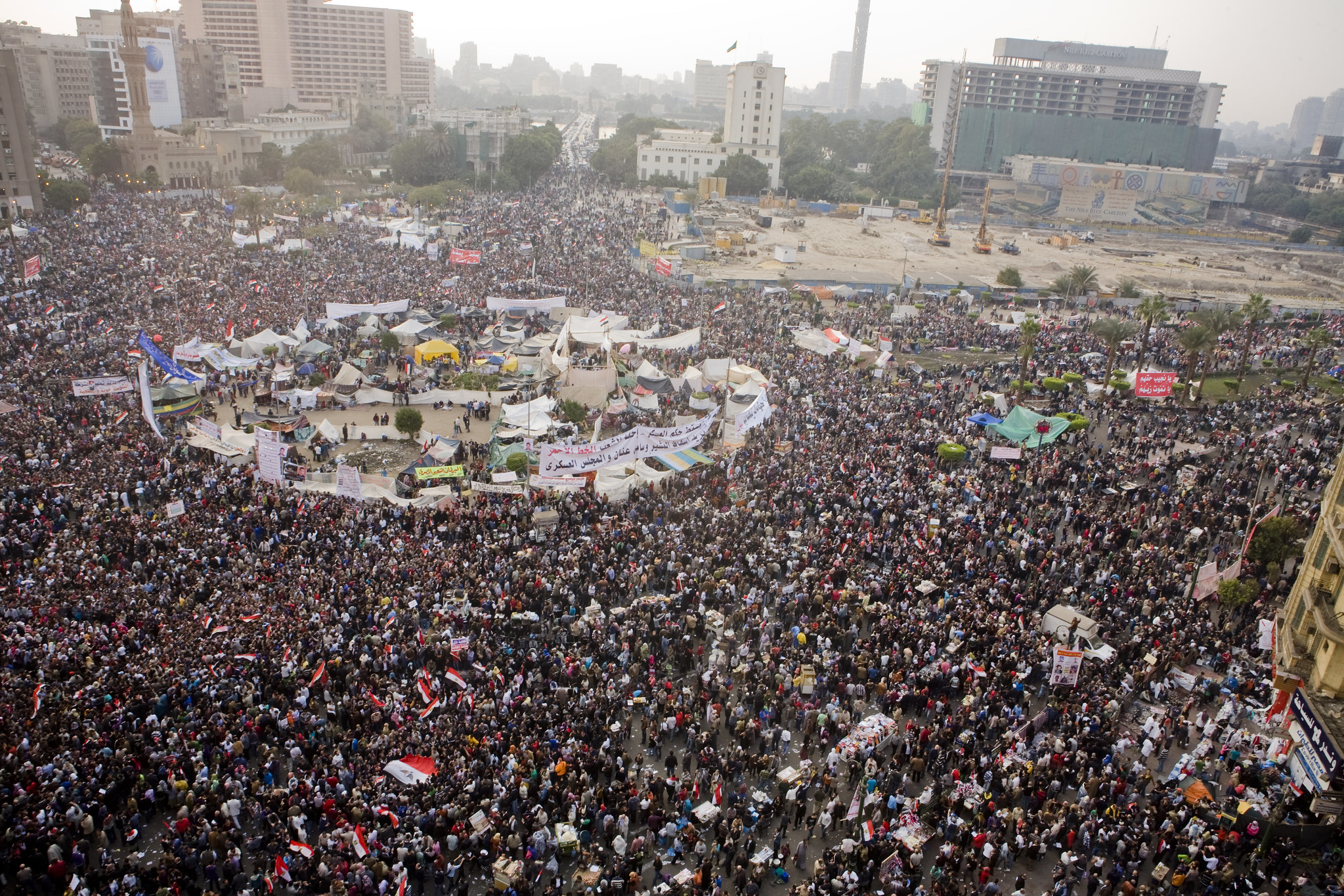
A group of SSRC fellows consider the significance of the Arab uprisings a decade later.
Read More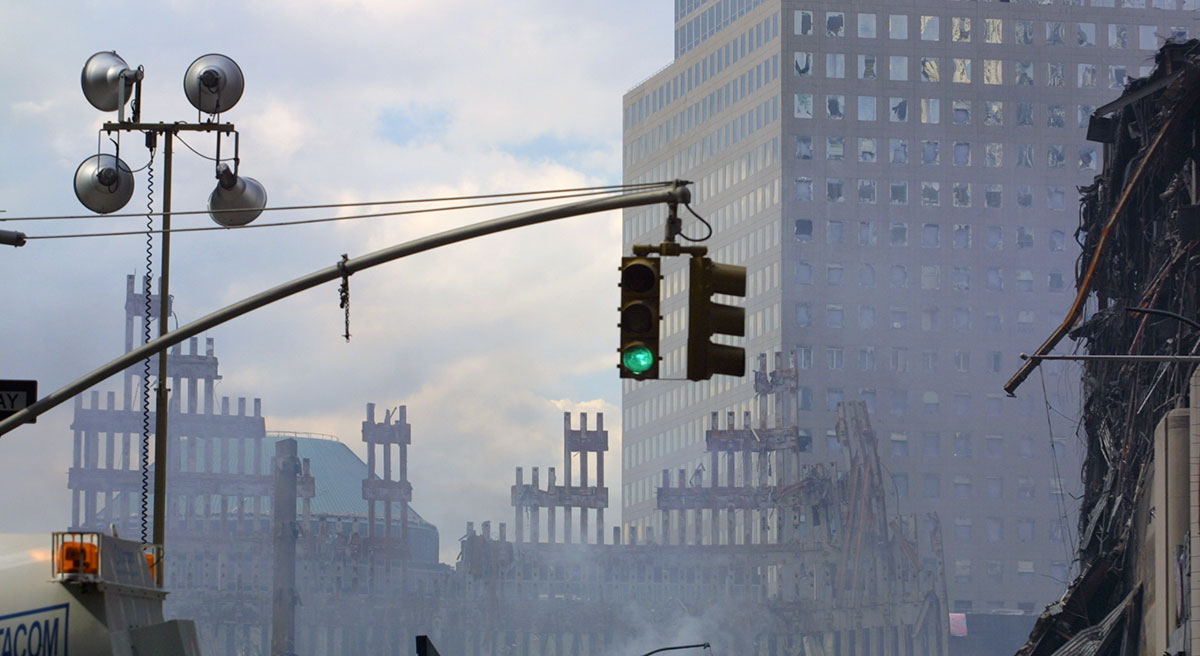
These essays are efforts by social scientists to bring theoretical and empirical knowledge to bear on the events of September 11.
Read More
How do authenticity and trust function in digital spaces?
Read More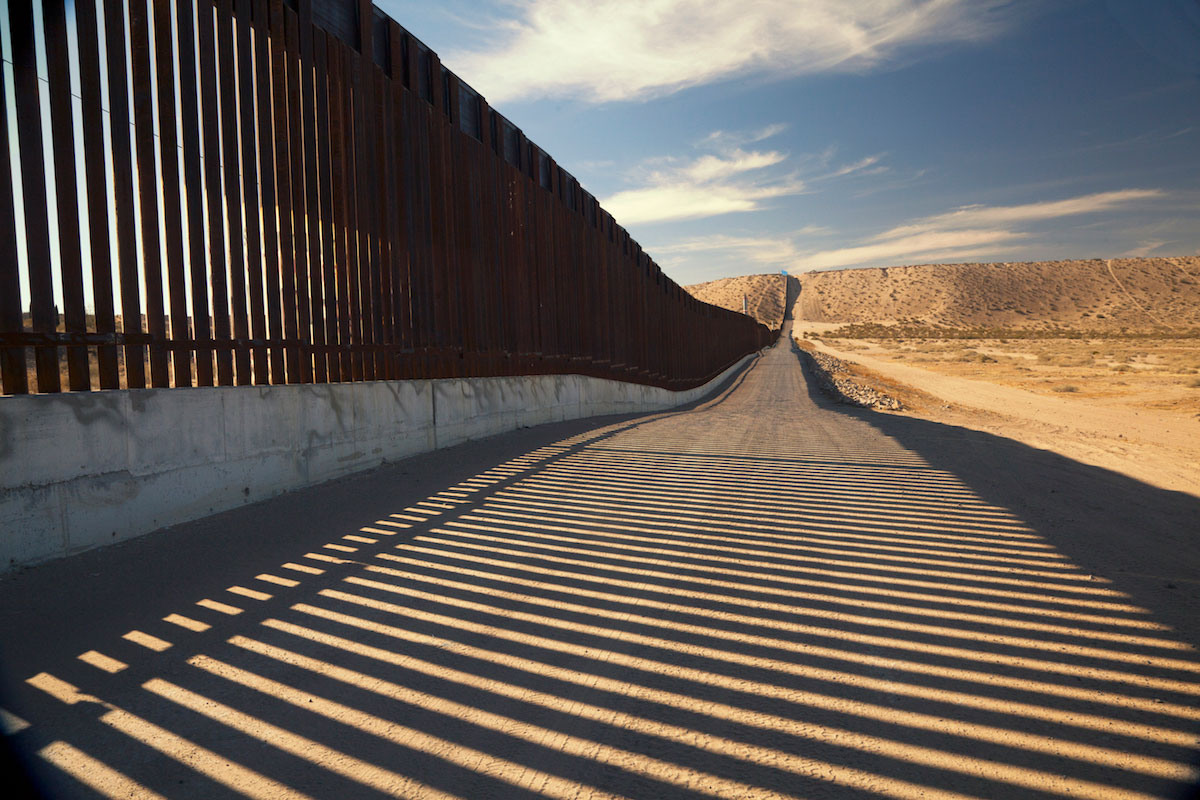
Social scientists explore the underlying issues of increasingly contentious debates over immigration in the US.
Read More
Authors discuss the sources of the pressures for greater accountability, the various meanings of that term, and what social scientists can do in the present context of these pressures.
Read More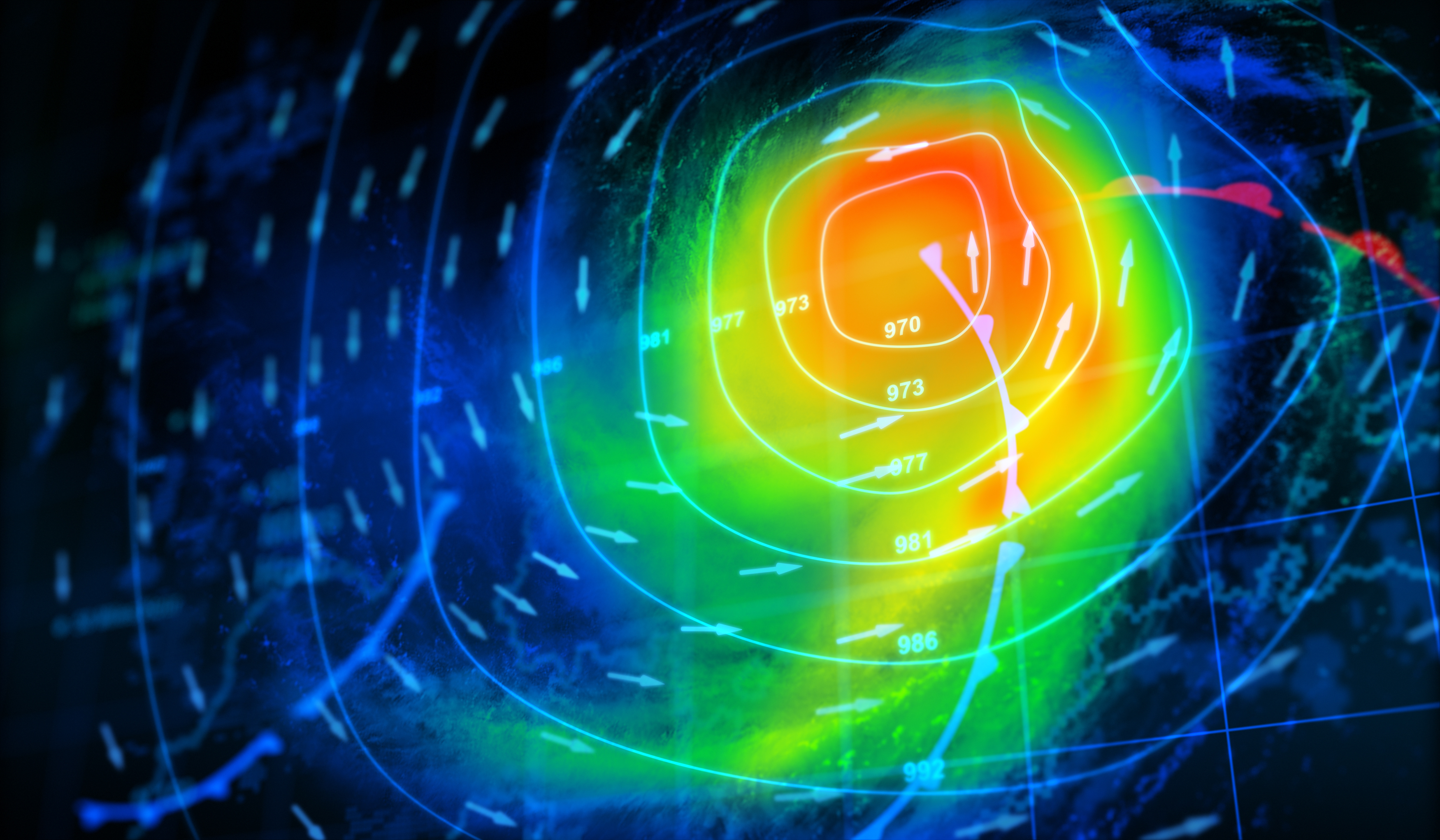
How do experts and the public experience and respond to the uncertainties of disaster? Scholars reflect on why some take a chance on storms.
Read More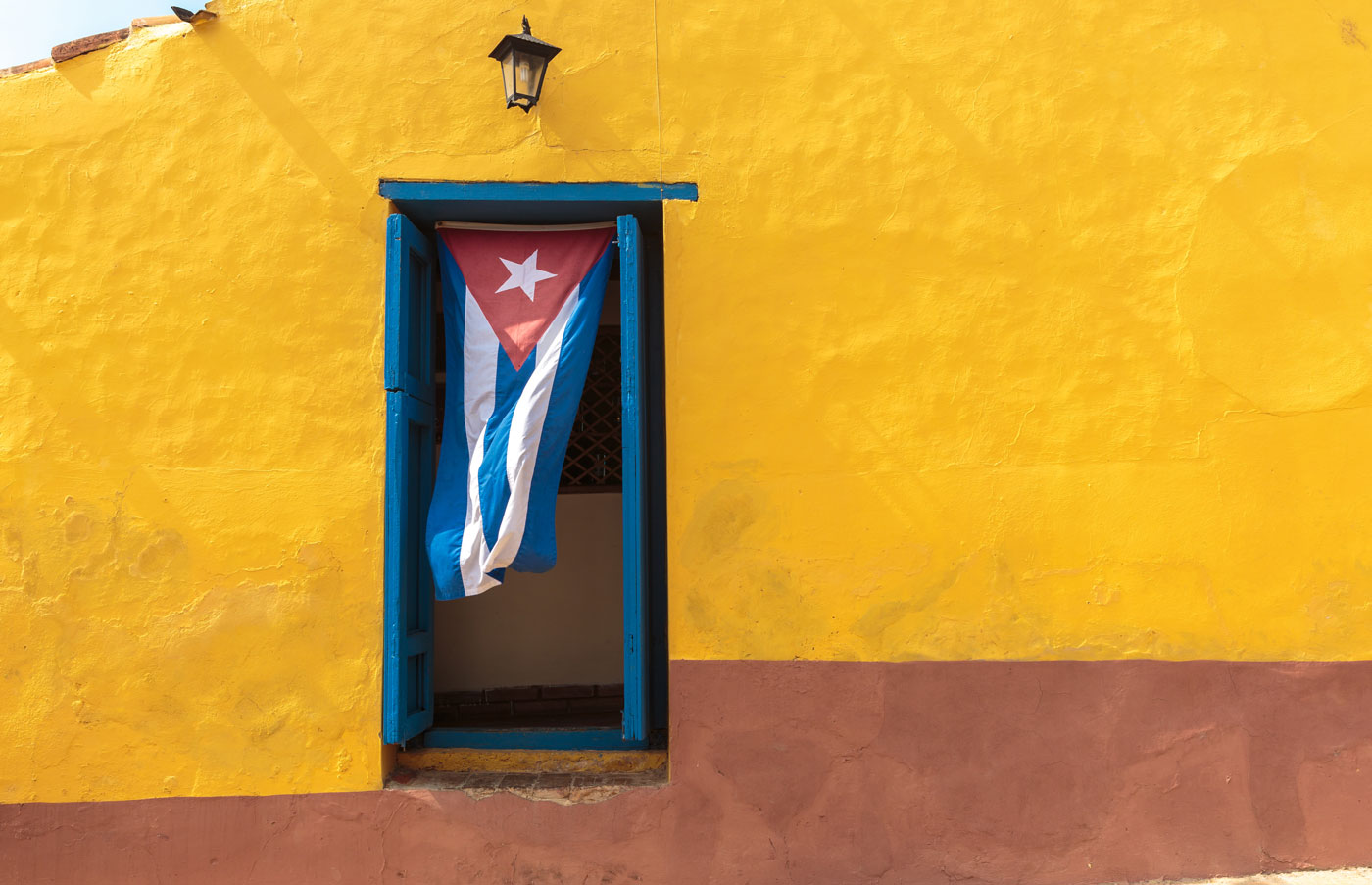
When Fidel Castro announced that he would not continue as President of Cuba some saw the end of an era and others said little had changed.
Read More
Careful, reliable, and scholarly analysis of contemporary conflicts around the world.
Read More
These pieces call attention to how social research can shed light on the short- and long-term effects of the pandemic and what can be done to improve responses, both now and in the future.
Read More
Delving beneath the news headlines into the complexities of the social and political crises afflicting this troubled African region.
Read More
Highlighting new research related to the work of the SSRC's Anxieties of Democracy program.
Read More
Researchers assess the state of disinformation across the world and its impact on democratic processes and conflict prevention
Read More
As the rise of right-wing extremism continues, scholars examine how these ideologies multiply through digital spaces.
Read More
Analyzing the various ways in which genocides have ended, including both case studies as well as comparative and theoretical analyses.
Read More
This collection both builds directly on the SSRC’s origins as a catalyst for interdisciplinary inquiry while also holding up the concept of interdisciplinarity to critical scrutiny.
Read More
As a global public increasingly scrutinizes and questions our shared environmental challenges, Items revisits the question of human impacts on the environment and the environmental impacts on humanity.
Read More
Scholars from various disciplines peel back the multiple layers of the city to better understand the social, economic, political, and spatial dynamics within.
Read More
Advancing a dialogue about the relationship between research and policymaking in the field of media and communications.
Read More
Next Gen alumni, affiliates, and staff reflect on the program's work and achievements of the past ten years.
Read More
Parameters, a collection edited by the Digital Culture program, examines the question of how the production and distribution of knowledge is (and ultimate should be) changing under digital conditions.
Read More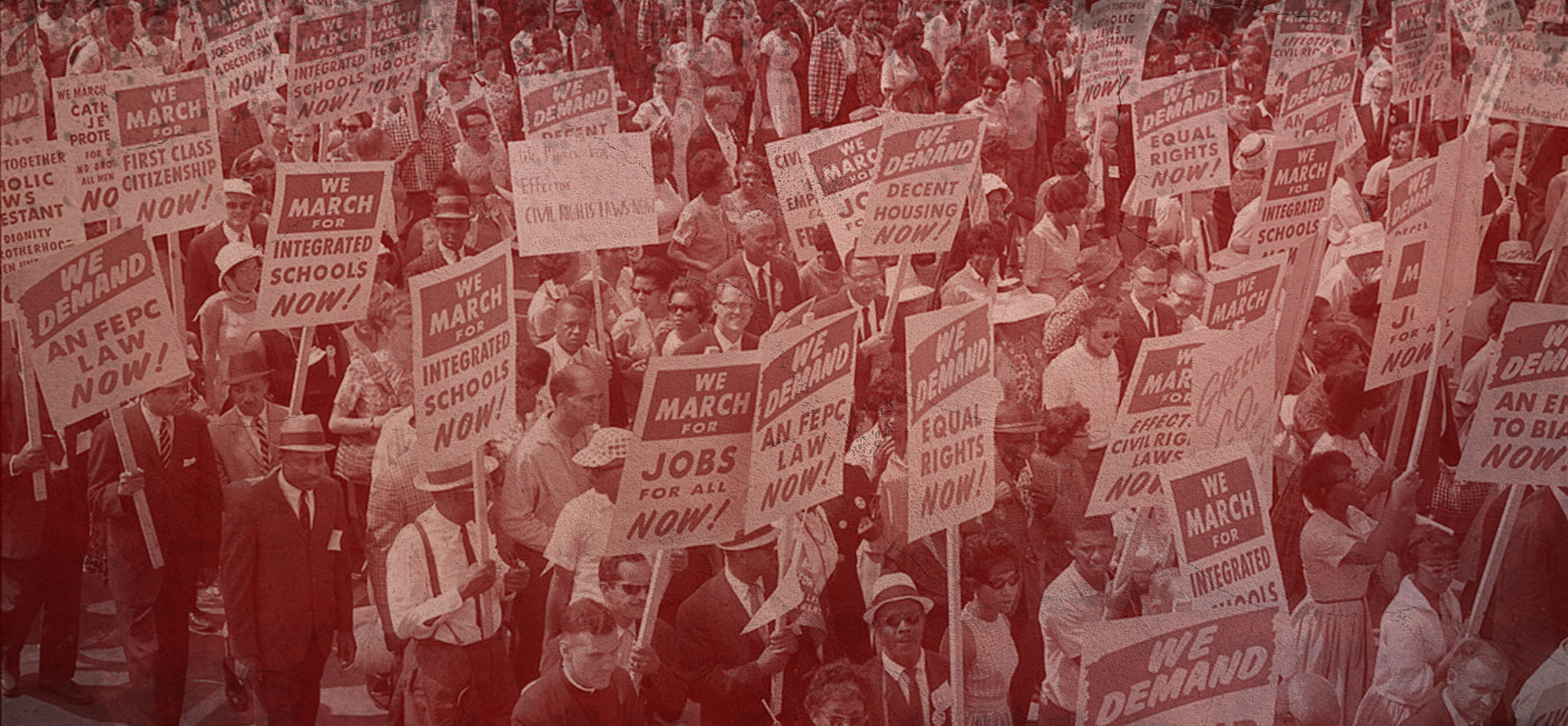
Authors examine the interrelationship between race and capitalism through a range of lenses and geographies, from resource extraction in the Caribbean and Africa to the school-to-prison pipeline in the United States.
Read More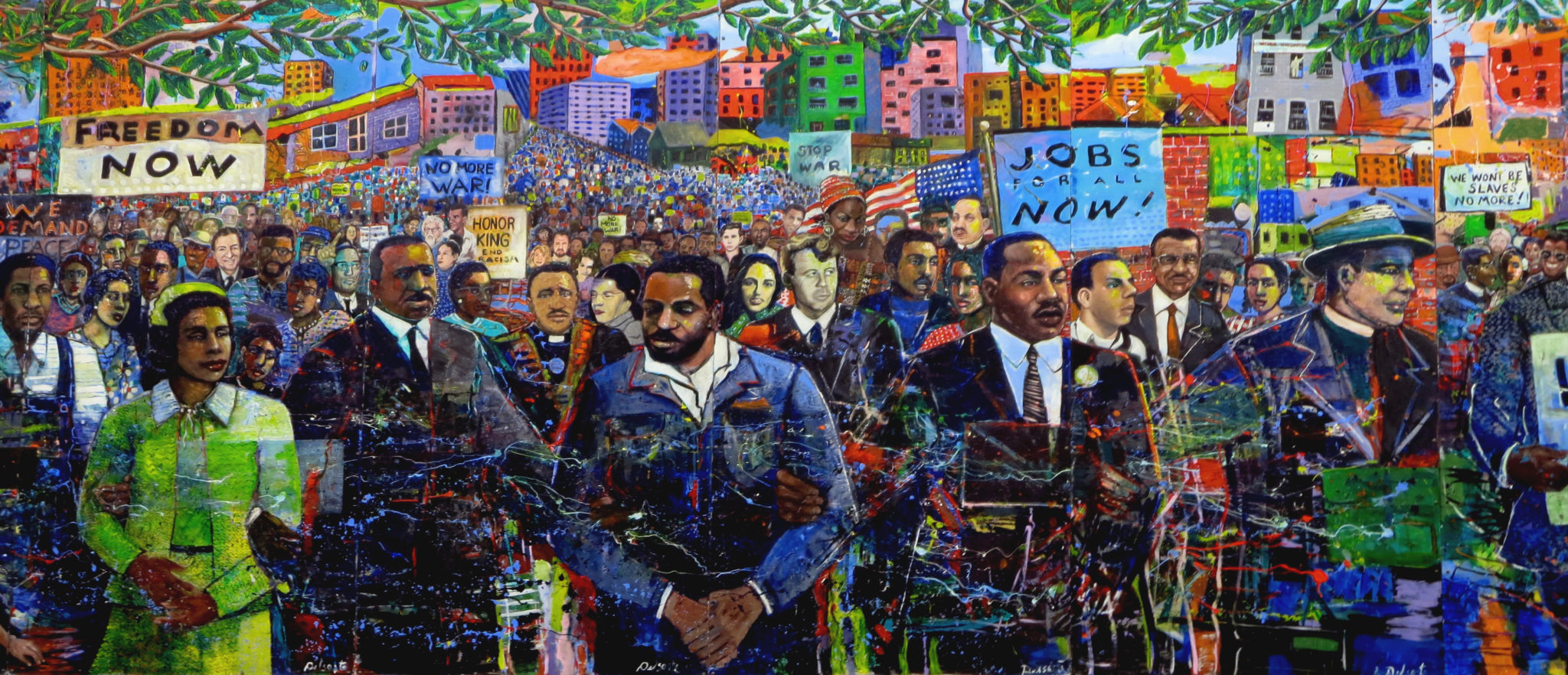
Racial conflict and mobilizations around demands for racial justice have increasingly commanded public and scholarly attention in the United States and elsewhere.
Read More
Fellows and affiliates of the Dissertation Proposal Development (DPD) Program reflect on their experiences.
Read More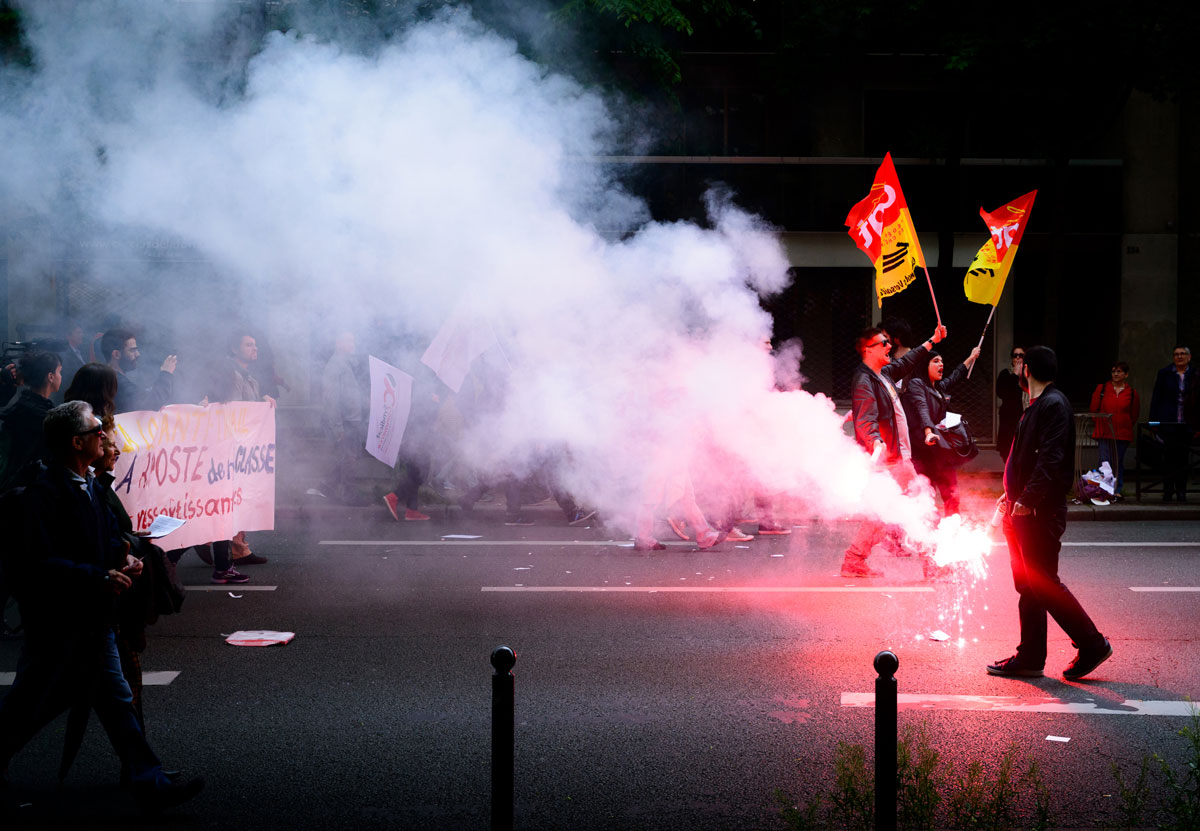
Bringing the perspectives and knowledge of social scientists to bear on the social unrest that broke out in the suburbs of Paris in late 2005.
Read More
Alumni of the SSRC's Sexuality Research Fellowship Program reflect on the past, present, and future of the field of sexuality and gender studies.
Read More
How has the field of sociolinguistics—for our purposes, the study of the relationship between communicative and social processes—developed in the last half century?
Read More
How can the core characteristics of big cities be mobilized to make human life more just and democratic?
Read More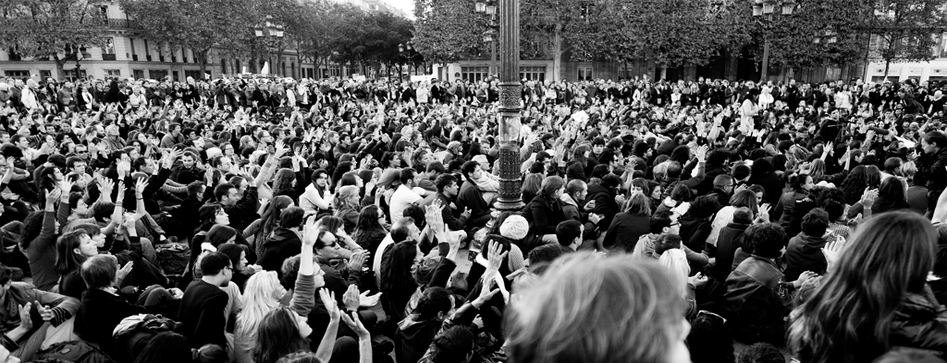
These essays were produced as part of the planning process for the Anxieties of Democracy program at the Social Science Research Council.
Read More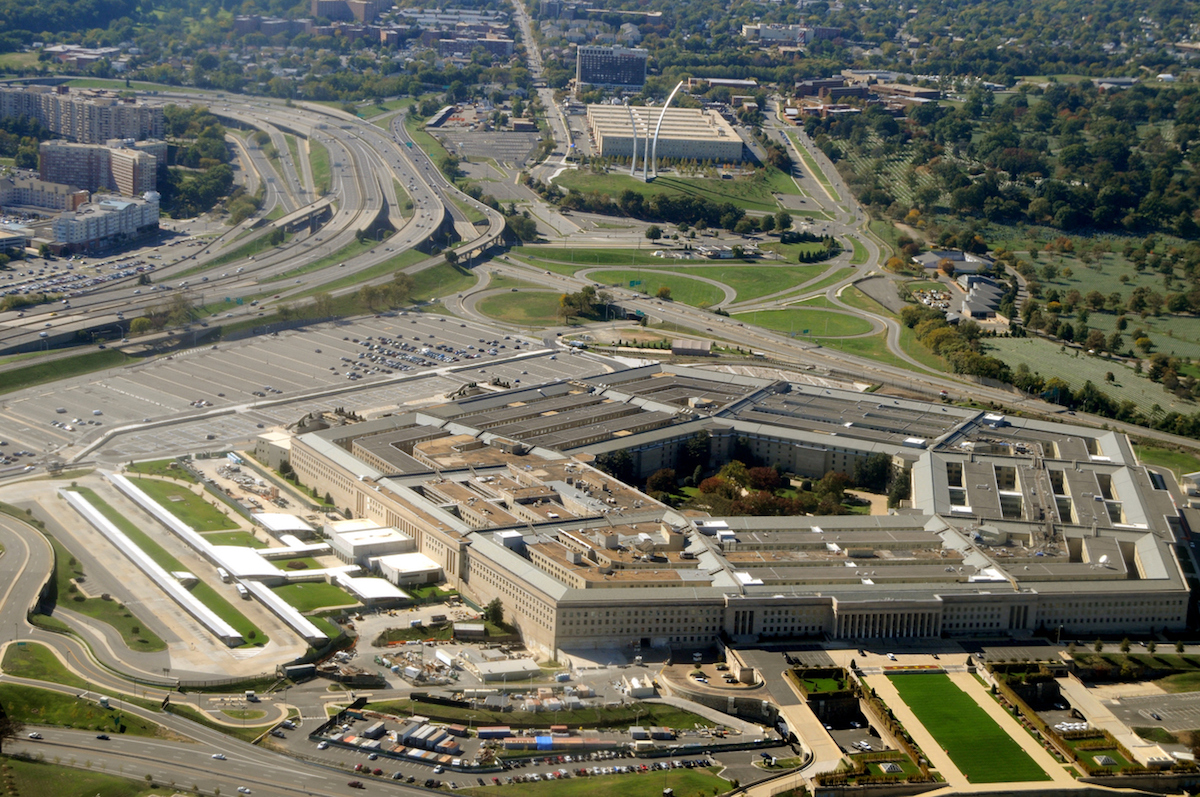
Scholars speak to the questions raised by Project Minerva and address the controversy it has sparked in academic quarters.
Read More
How far has the privatization of risk progressed, why has it taken the direction that it has, and what does it mean for the economic security of American families in the early twenty-first century?
Read More
How might social science research provide a deeper understanding of gun violence in the United States from the perspective of scholarship and/or public policy?
Read More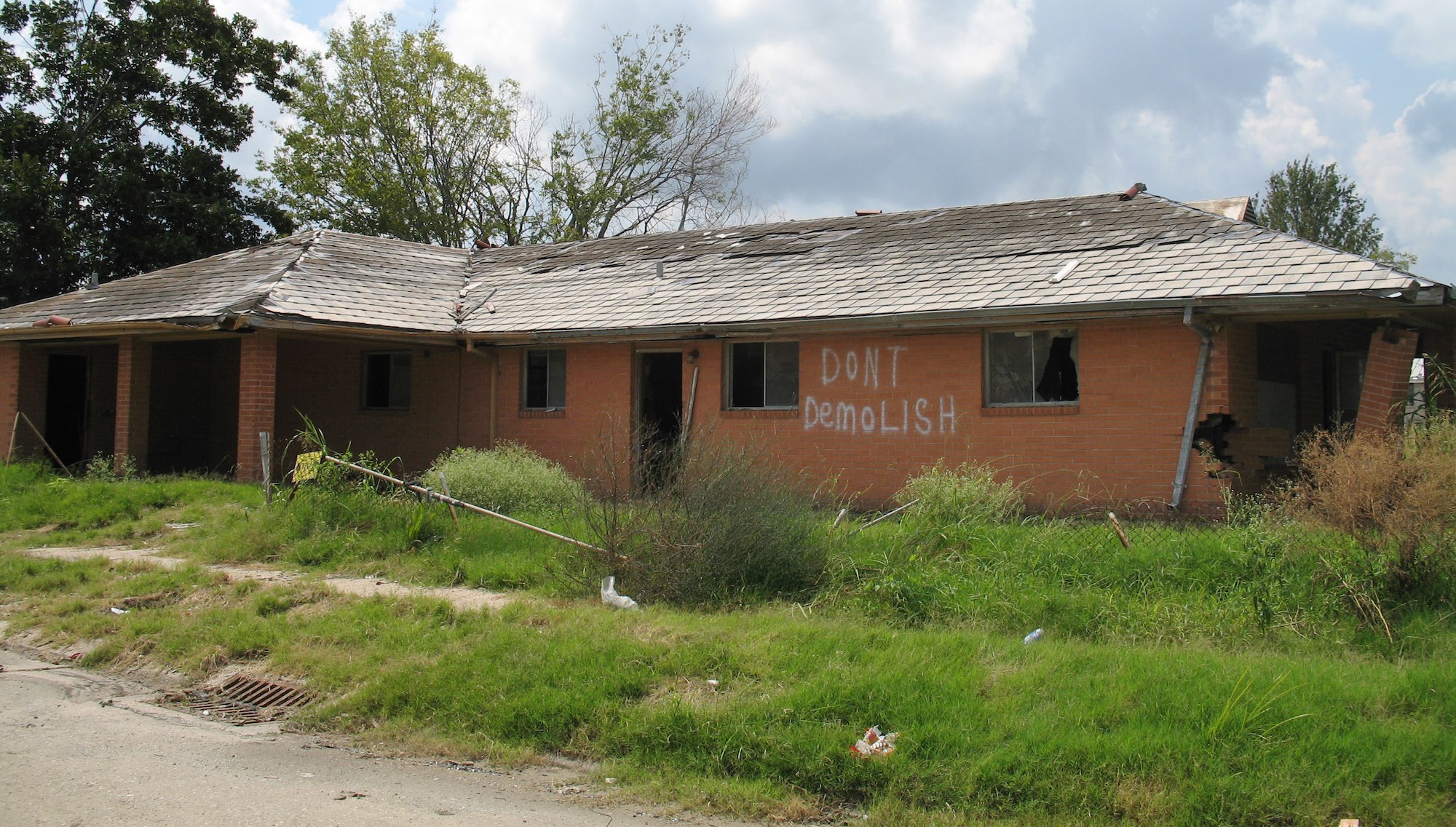
As analyses and "spin" of the Katrina crisis grow, this essay collection confronts the sort of public issue to which a social science response is urgently needed.
Read More
Scholars from diverse disciplines and foci explore the multiplicity and sociality of water in different contexts.
Read More
With so much attention to the issue of inequality and its documented growth, why join the fray? What more is there to say? Quite a bit, we think.
Read More
How do cultural heritage and violence intersect? What can we learn from the dynamics between heritage and different forms of violence, both past and present?
Read More